Three Rivers is one of the best bases for a relaxed weekend near Sequoia National Park. The small foothill community sits along the Kaweah River on Highway 198, close to the park’s Ash Mountain entrance, yet it feels different from the busy destinations found around larger national parks. Instead of a dense commercial strip, visitors find riverfront lodging, independent restaurants, art studios, historic stops, oak-covered hills, and scenic roads leading toward giant sequoia country.
A weekend here works best when you resist the temptation to schedule every hour. The road into Sequoia National Park is steep and winding, popular parking areas can fill, and temperatures may vary dramatically between the foothills and Giant Forest. Build the trip around one major park day, then leave time to experience Three Rivers itself. This two-day guide combines local food, community history, river scenery, Lake Kaweah, and a realistic Sequoia itinerary.
Before traveling, review our Sequoia National Park fall 2026 guide, where to stay in Tulare County, and Tulare County transportation guide. Current road, trail, weather, fire, and air-quality information should always be checked on the official National Park Service conditions page.
A Two-Day Three Rivers Weekend Itinerary
Day One: Settle Into the Foothills and Explore Locally
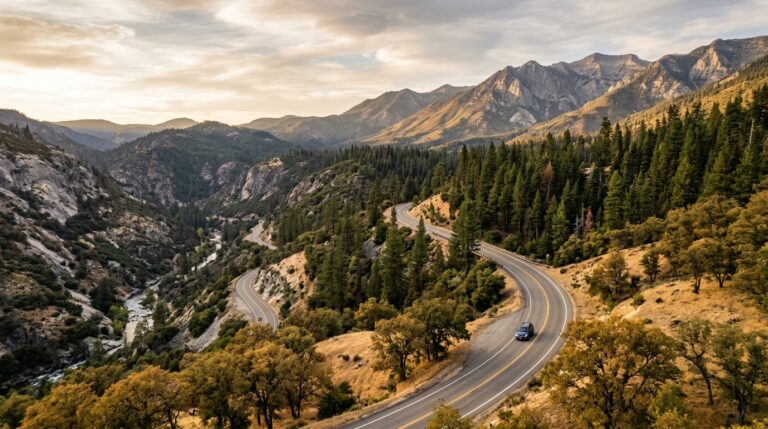
Arrive by late morning or early afternoon so the first day does not become a rushed park excursion. From Visalia, Highway 198 passes agricultural land, Lake Kaweah, and increasingly rugged foothills before reaching Three Rivers. The scenery changes quickly, but the road remains an active state highway. Slow down for curves, watch for wildlife, and use designated pullouts rather than stopping along narrow shoulders for photographs.
Morning and Early Afternoon: Lake Kaweah and Local History
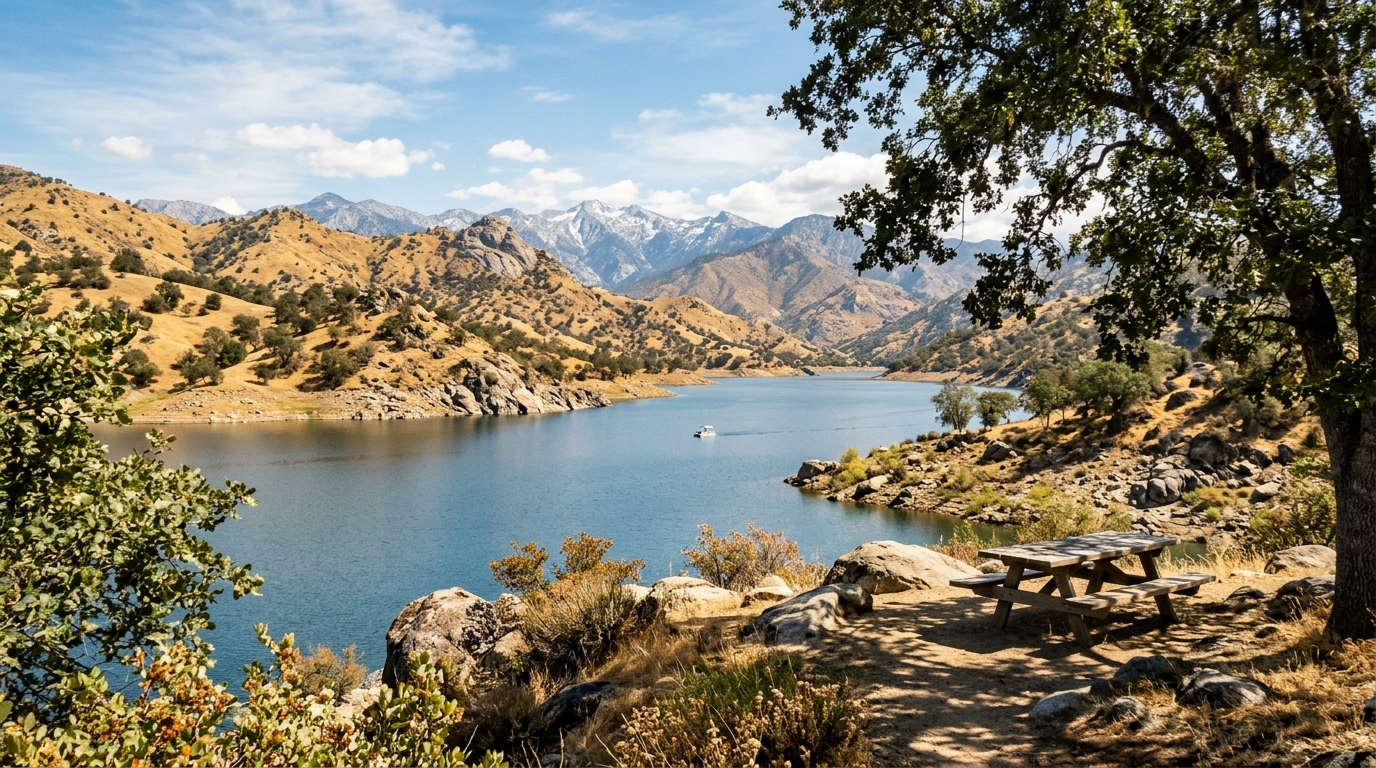
If you are approaching from Visalia or Tulare, begin at Lake Kaweah before checking in. The lake is managed by the U.S. Army Corps of Engineers and supports activities such as boating, fishing, picnicking, wildlife viewing, and seasonal camping. Water levels and access can vary, so confirm conditions before planning a water-based activity. A short stop at a viewpoint or visitor area is enough for travelers who want scenery without committing half the day.
Continue east to the Three Rivers Historical Museum and Visitor Center. The volunteer-supported museum introduces the area’s communities, early settlers, local industries, transportation, and relationship with the Kaweah River and nearby mountains. Its operating schedule depends on volunteer availability, making it important to verify hours on the day of your visit. Even a short museum stop provides useful context before entering Sequoia National Park, where the natural landscape often overshadows the human history of the gateway communities.
Late Afternoon and Evening: Art, River Views and a Slow Dinner
Spend the second half of the day exploring the community at an unhurried pace. Three Rivers has long been known as an arts-oriented foothill town, and visitors may find galleries, studios, handcrafted goods, outdoor installations, and local events along the highway corridor. Not every studio operates on standard retail hours, so treat any unexpected open door or roadside display as a bonus rather than the foundation of the schedule.
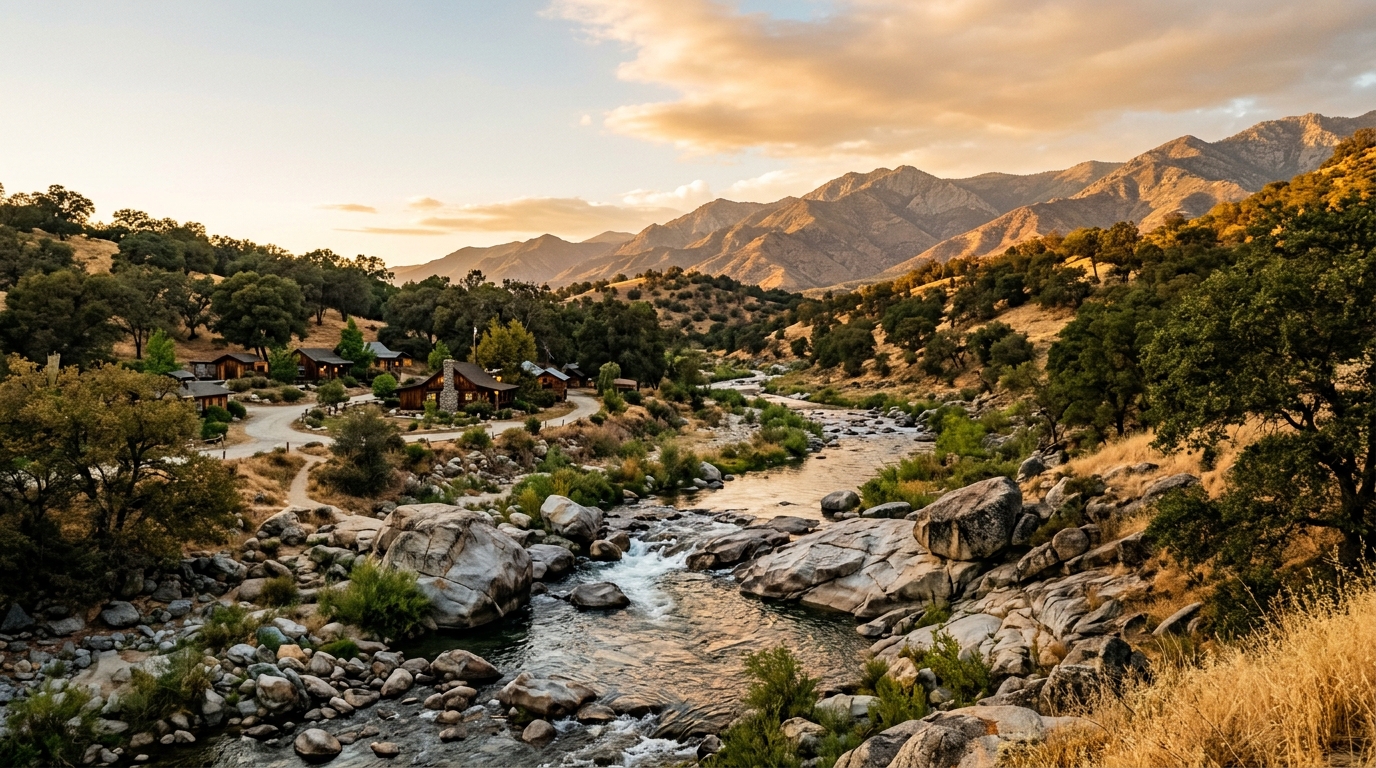
Riverfront lodging is a major part of the town’s appeal, but access to the Kaweah River must be treated carefully. Water that looks calm from a patio can conceal strong currents, slippery granite, sudden depth changes, and cold temperatures. Never assume a private path or visible swimming hole is safe. Follow property rules, supervise children closely, stay away from fast water, and avoid climbing onto wet rocks for photographs.
Plan dinner before sunset, then rest for an early park departure. On clear nights, enjoy casual stargazing from a safe private location rather than beside the highway.
Day Two: Enter Sequoia National Park Early
Day two should focus on Sequoia National Park rather than attempting to combine Sequoia and Kings Canyon in a single rushed loop. Although both parks are managed together, the mountain roads and drive times make them feel much farther apart than a map may suggest. From Three Rivers, enter through the Ash Mountain entrance and climb toward Giant Forest. The section of Generals Highway above the foothills contains sharp curves and is not recommended for vehicles longer than 22 feet.
Early Morning: Giant Forest and the General Sherman Tree
Leave Three Rivers early enough to reach the park before popular parking areas fill. Stop at the Foothills Visitor Center when open for current advice, maps, and closure information. From there, continue toward Giant Forest, where temperatures are often significantly cooler than in town. Carry layers even when the foothills forecast is hot.
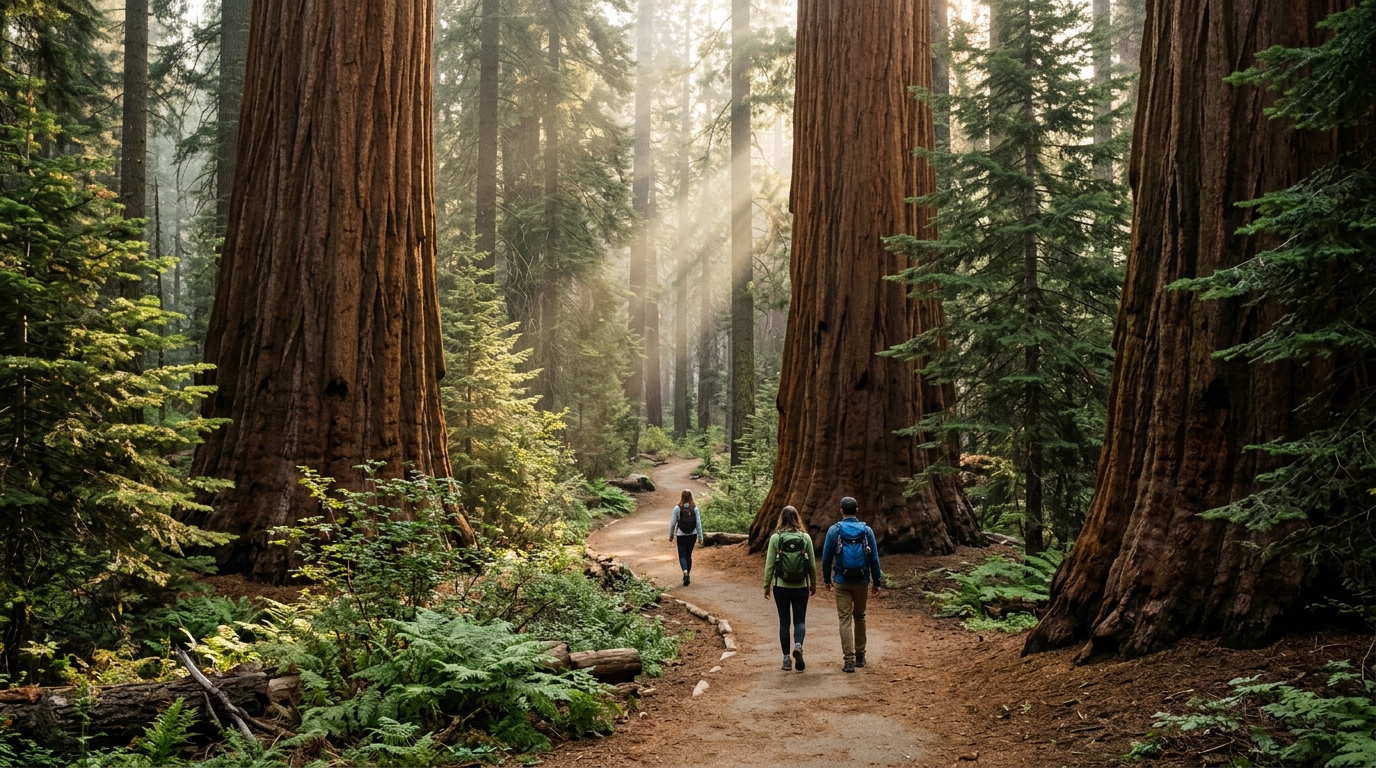
For a first visit, prioritize the General Sherman Tree, Giant Forest Museum, and Big Trees Trail. These attractions provide an excellent introduction without requiring an aggressive hiking schedule. The General Sherman area can become crowded, so allow others space for photographs and continue beyond the main viewpoint when conditions and trail access permit. Big Trees Trail offers a gentler opportunity to observe the grove’s meadow ecosystem and massive trees at a slower pace.
Summer shuttle service can simplify movement between major Giant Forest and Lodgepole stops, but it ends seasonally. Outside the shuttle period, parking availability will determine the order of the day. Never park on vegetation, block traffic, or create an unofficial roadside space. If one lot is full, move to the next planned stop and return later.
Afternoon: Choose One Final Park Experience
After lunch, choose one additional experience instead of trying to complete every famous stop. Moro Rock offers expansive views but requires climbing a steep granite staircase with narrow sections and exposure. Skip it during storms, ice, heavy smoke, poor visibility, or when anyone in the group is uncomfortable with heights. Crescent Meadow provides a calmer forest-and-meadow alternative, while Lodgepole may be useful for services and trail information when facilities are operating.
Start descending before fatigue becomes a problem. The drive back to Three Rivers demands attention, particularly near sunset when shadows, wildlife, and oncoming headlights reduce visibility. Use lower gears where appropriate rather than continuously riding the brakes. Once back in town, have an early meal or collect takeout and allow the evening to remain flexible.
Travelers staying a third night can use the following morning for Lake Kaweah, a local breakfast, or another community stop instead of immediately returning to the park. During fall, the trip may also pair well with activities in our Tulare County fall events guide.
Where to Stay, Eat and Plan a Better Weekend
Choose the Right Base and Prepare for Limited Services
Three Rivers offers hotels, motels, vacation rentals, cabins, guesthouses, campgrounds, and riverfront properties. Choose based on more than price. A beautiful rental far from Highway 198 may involve a narrow access road, limited lighting, stairs, or strict arrival instructions. Ask about parking, air conditioning or heating, kitchen facilities, accessibility, river access, and the realistic drive time to the park entrance.
Visitors who want the shortest trip to the Ash Mountain entrance should stay in or near Three Rivers. Travelers who prefer a larger selection of restaurants, stores, and conventional hotels may choose Visalia and accept a longer drive. Camping near Lake Kaweah can be another option, but Horse Creek Campground requires advance reservations rather than same-day arrival, and seasonal water levels can affect individual sites.
Dining in Three Rivers is part of the experience, but a small-town food scene requires flexibility. Review current menus and operating hours, reserve when available, and carry simple backup food. Pack water and snacks for the park because restaurant, market, and concession hours should never be assumed. Dispose of waste correctly and never leave food visible inside a parked vehicle in bear country.
The best time to visit depends on your priorities. Spring can bring green foothills and powerful river flow, but fast water is especially hazardous. Summer offers broad access at higher elevations while Three Rivers may be extremely hot. Fall can provide cooler evenings and fewer visitors after peak season, although shuttle service and facilities become more limited. Winter may bring chain controls, road closures, snow, and substantially longer travel times.
Whatever the season, keep the itinerary flexible. Download offline maps, bring a full water supply, check air quality, and identify an alternative local activity in case the park plan changes. Three Rivers is not merely a place to sleep before seeing giant trees. A well-paced weekend reveals a river community shaped by the Sierra foothills, local art, small businesses, historic stories, and the steady movement of travelers toward Sequoia National Park.